Delving into The Economics of Coin-Op: How Arcades Make Money, let’s take a nostalgic trip down the neon-lit lanes of our childhood, where quarters flew like confetti, and every joystick was a ticket to glory. Remember the thrill of plunking down your hard-earned coins just to face a pixelated dragon or a surprisingly aggressive street fighter? Well, rev up those memories because we’re about to uncover not just how these magical places tick, but how they managed to turn your spare change into a cash cow!
From the humble beginnings of the 1970s with games like Pong, to the golden age of the 80s and 90s featuring iconic titles like Pac-Man and Donkey Kong, arcades have been more than just a place to play; they’ve been places of social gathering and cultural phenomenon. As we dive deeper, expect to find out what makes a game irresistible, the nostalgia factor that keeps us coming back, and how these establishments have evolved to stay relevant in today’s gaming landscape.
Ah, the arcade. A magical realm where the only currency is your pocket change, and your biggest worry is beating your best friend’s high score before they can devour the entire pizza you just ordered! If you’ve ever found yourself glued to a screen, pressing buttons like a caffeinated squirrel, you’re in good company. Buckle up as we embark on a whimsical journey through the pixelated history, the cultural footprints, and the timeless secrets of success behind arcade games!
The Pixelated Chronicles: A Brief History: The Economics Of Coin-Op: How Arcades Make Money
Let’s crank the time machine back to the 1970s—a decade that delivered us disco, bell-bottoms, and a peculiar contraption called “Pong.” In 1972, Nolan Bushnell and his merry band of game-changers at Atari unleashed this simple but addictive game. Two paddles, a ball, and a fierce desire to crush your opponent—what’s not to love? Pong was the spark that ignited the arcade revolution, birthing a slew of classic games that would soon take over dimly lit rooms across the globe.
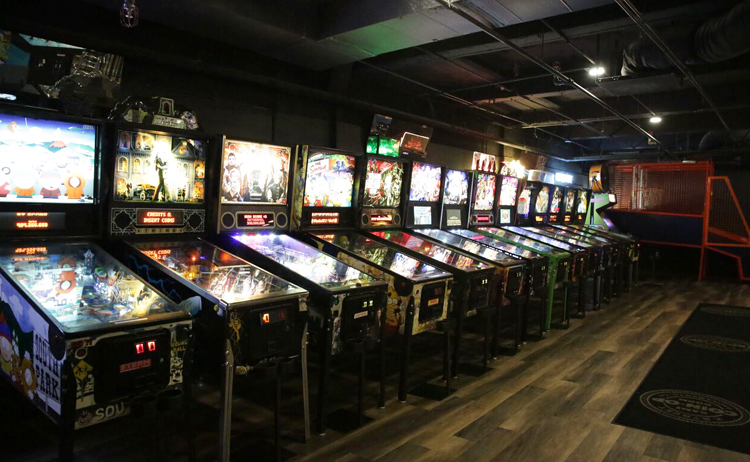
Fast forward through the glorious ’80s, when arcade cabinets became the cool kids on the block. Enter classics like “Pac-Man,” who taught us that yellow circles can indeed gobble up ghosts and pellets while evoking intense hunger for both points and pizza. And let’s not forget “Donkey Kong,” where we all momentarily thought we could outsmart a giant ape, only to find ourselves flinging barrels of frustration at the nearest wall.
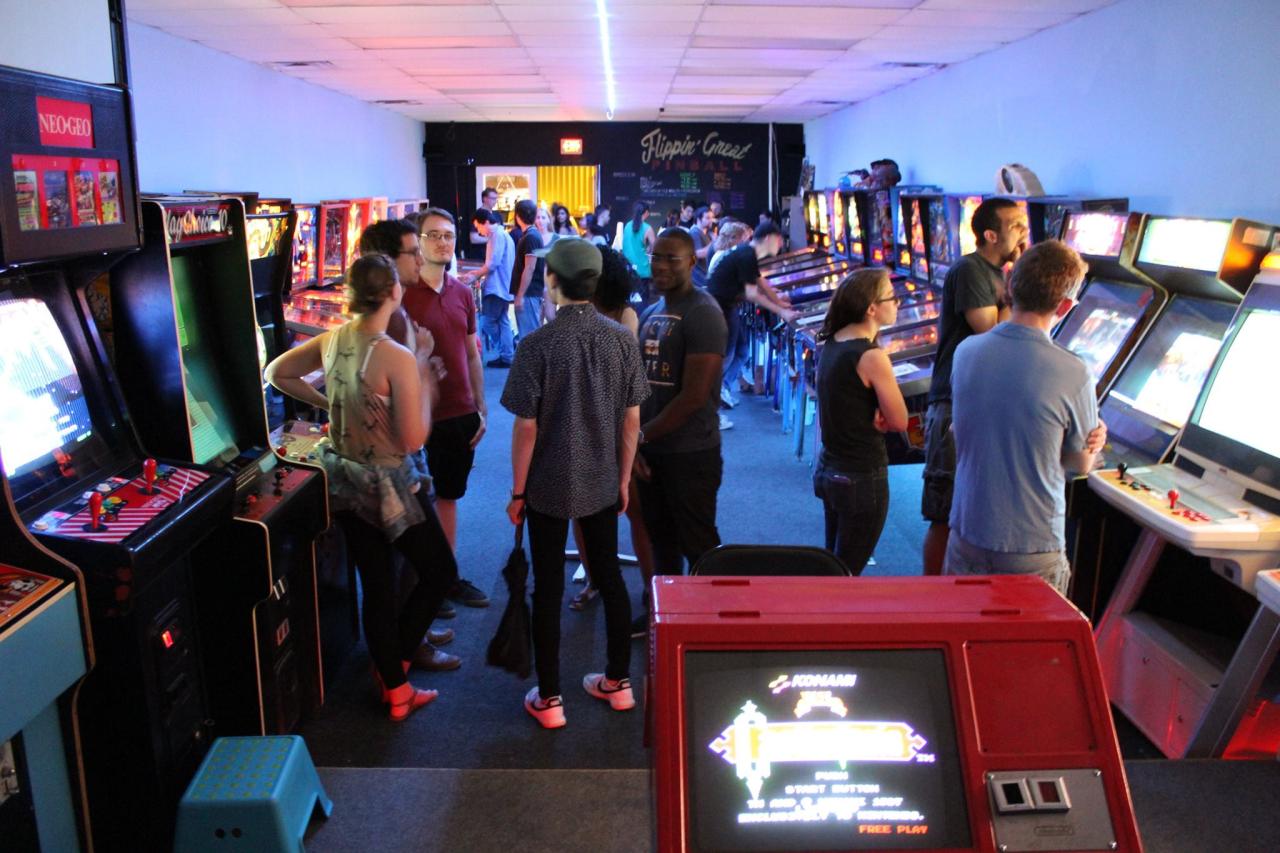
By the time we hit the ’90s, the arcade scene blossomed like a cherry blossom tree during peak spring—full of color, energy, and a dash of competition. Games like “Street Fighter II” introduced us to the art of button-mashing combat, creating friendships, rivalries, and a plethora of hilarious catchphrases that still echo in gaming circles today.
The Cultural Impact: More Than Just Pixels
Arcade games didn’t just create a gaming culture; they became a cultural phenomenon. Remember the first time you heard that sweet jingle of a quarter dropping into the machine? It’s like the sound of victory ringing in your ears! Arcades quickly transformed into social hubs where friendships were forged, rivalries ignited, and more than a few awkward high-fives were exchanged.
These pixelated experiences often served as a backdrop for some epic life moments. First date? Let’s crush a few aliens in “Galaga.” Birthday party? Bring out the “Dance Dance Revolution” mat and witness your friends’ questionable dance moves. High school drama? Channel your angst into “Mortal Kombat” and let the bloodshed—oops, I mean fun—begin!
Moreover, arcade games infiltrated pop culture like a ninja in the night. They inspired movies (hello, “The Wizard”), songs, and even fashion trends—who could forget the neon colors and graphic tees that made us look like walking game covers? Arcade culture was so powerful that it even spawned its own lexicon! Phrases like “Game Over” and “High Score” seeped into everyday conversation, elevating our vocabulary to new, nerdy heights.
The Secrets of Success: Why Are Arcades Still a Hit?
Now you might be wondering, what keeps the arcade torch burning brightly decades later? It’s a combination of nostalgia, innovation, and a sprinkle of secret sauce! Let’s dish out the juicy details.
First up: nostalgia. For many, stepping into an arcade is akin to stepping into a time machine. The familiar sounds of beeping machines and the smell of popcorn wafting through the air can whisk you back to simpler times when your biggest concern was whether you could afford that second game of “Street Fighter.”
Next, innovation is key! Today’s arcades are not just about retro games. They have evolved and adapted like a chameleon on a disco floor. Modern arcades blend virtual reality experiences, competitive e-sports arenas, and even immersive escape rooms into their offerings. Who wouldn’t want to save the world from a zombie apocalypse while simultaneously sipping on a milkshake?
Lastly, let’s not forget the element of community. Today’s arcades are designed for social interaction—offering multiplayer games that unite players in cooperative chaos. Remember the joy of sharing a victory or the agony of defeat with friends? It’s a bonding experience that’s hard to replicate anywhere else.
Reflections: Press Start on the Next Chapter
As we stand here, gazing fondly at the shimmering screens of our beloved arcade machines, it’s clear that the world of arcade gaming is far from over. With each blip of a pixel, we continue to write new chapters in this fantastical saga. Whether you’re a seasoned veteran or a curious newbie, there’s something magical about hurling yourself into this vibrant universe of entertainment.
So the next time you find yourself in an arcade, armed with a handful of quarters and a fierce desire to conquer the leaderboard, remember: It’s not just about the game; it’s about the memories you create, the friends you meet, and the laughter you share. After all, life is just one big game, and we’re all just trying to hit that high score!
And as they say in the world of gaming, “Game Over” is just the beginning of the next exhilarating adventure!
Detailed FAQs
What is the primary revenue source for arcades?
The main source of income for arcades comes from the coins and tokens played in various machines, but they also profit from concessions and merchandise!
How have arcades adapted to modern gaming trends?
Many arcades have embraced a mix of classic games and modern gaming experiences, incorporating VR and multiplayer options to attract a wider audience.
Why did arcade popularity decline in the late 90s?
The rise of home gaming consoles and online gaming offered players the convenience of gaming at home, leading to a decline in arcade visits.
Are arcades still popular today?
Absolutely! There has been a resurgence in arcade popularity, often combined with bars or cafes, drawing in both nostalgic adults and a new generation of gamers.
What role does nostalgia play in arcade success?
Nostalgia plays a huge role, as many customers return not just for the games, but for the memories and social experiences associated with arcade gaming.