The Cultural Impact of Arcades on Youth Worldwide is like stepping into a time machine that runs on quarters and nostalgia. Remember the first time you wrestled with a joystick, trying to conquer aliens in Space Invaders? That electric atmosphere, the sounds of clashing pixels, and the smell of buttery popcorn are enough to make any gamer’s heart race! Arcades weren’t just places to play games; they were cultural phenomena that connected generations, sparked friendships, and gave a hearty thumbs-up to creativity when home consoles were but a twinkle in their manufacturers’ eyes.
From their humble beginnings in the 1970s with iconic games like Pong to the recent revival of retro arcades, these pixelated playgrounds have shaped pop culture and the gaming industry in ways we’re only beginning to understand. They’ve been the backdrop for countless friendships, rivalries, and, of course, high-score throwdowns that could rival Olympic competitions. So grab your tokens, because we’re about to embark on a journey to explore the profound impact arcades have had on youth worldwide!
Gather round, fellow pixel warriors and joystick jockeys! Today, we’re taking a wild ride down memory lane to explore the shiny, coin-operated marvels that transformed our childhoods into pixelated adventures. Yes, we’re diving headfirst into the electric wonderland of arcade games—the places where friendships were forged, tempers were tested, and quarters mysteriously vanished faster than a magician’s rabbit. Buckle up, because this isn’t just a stroll down nostalgia lane; it’s a full-throttle joyride!
A Brief (and Totally Not Boring) History of Arcade Games
Once upon a time, in the glorious 1970s, the world was a different place. People wore bell-bottom jeans, disco reigned supreme, and “video games” were still in their infancy, wobbling in a cute little cradle. It was in this epoch that the first true arcade game, Computer Space, was birthed in 1971 by Nolan Bushnell and Ted Dabney, the founders of Atari. It was a game that involved flying a spaceship and shooting down aliens—because what else would you do with a computer in the ’70s?
Fast forward to 1978, and enter Space Invaders, a game so captivating that it sparked a global obsession. People stopped engaging in mundane activities like talking to each other or, heaven forbid, going outside. Instead, they poured their pennies into machines to fend off pixelated invaders. From there, the floodgates opened. The ’80s ushered in a golden age—Pac-Man, Donkey Kong, and Galaga became household names, with kids trading lunch boxes for game strategies. If you didn’t know how to eat a power pellet or jump barrels, were you even a kid?
Arcade Culture: Where Everyone Knows Your Username
Arcades weren’t just places to play games; they were social hubs where a kid could, for five glorious quarters, achieve a level of fame only rivaled by the neighborhood dog that could do tricks. There was something magical about competing against your friends for high scores while surrounded by the cacophony of bleeps, bloops, and the inevitable “Game Over” sirens that echoed like a haunting melody. This was where the bonds of friendship were cemented—over shared victories and the occasional argument over who really had the longest-lasting quarter.
As the 80s transitioned into the 90s, arcades adapted. They embraced the multiplayer experience with titles like Street Fighter II and Tekken, turning a friendly game of “let’s see who can press buttons the fastest” into fierce competitions reminiscent of gladiatorial combat. Tournaments ensued, friendships were tested, and rivalries were born. If you weren’t throwing down a combo or executing a perfect Hadouken, did you really even exist?
The Secrets to Arcade Success: More Than Just High Scores: The Cultural Impact Of Arcades On Youth Worldwide
Now, you may be wondering, what’s the secret sauce that keeps the arcade spirit alive? Well, it boils down to a few delectable ingredients:
- Accessibility: Anyone could walk into an arcade and pick up a controller. Whether you were a seasoned pro or someone who thought “platforming” meant walking on an unstable surface, there was room for everyone. Remember the thrill of hitting those buttons and feeling like you were the star of your own action film? That’s because arcade games make everyone feel like they matter—if only for a moment.
- Community: From friendly competition to fist-bumping after an epic win, arcades united strangers. The smoke-filled atmosphere (thanks, 80s) was an incubator for friendships. You could bond over frustration as you both faced the final boss or share tips on how to avoid the dreaded “Game Over.”
- Innovation: Arcade developers were like mad scientists, constantly experimenting with new technologies—from graphics to controls. They were constantly pushing boundaries, creating immersive experiences that were simply unreplicable at home. It was a race to see who could make the next Mortal Kombat or Dance Dance Revolution that would leave players sweating and begging for mercy.
Reflecting on the Pixels of Our Past
As we sit here today, contemplating the cultural phenomenon that arcades have become, it’s evident they shaped not only our gaming experiences but also our social fabric. They taught us valuable life lessons: how to cope with defeat, the importance of teamwork, and why you should never turn your back on a friend who just unlocked a new character before you. It’s a bittersweet journey, as we reminisce about the golden days of arcades filled with laughter, excitement, and the sweet scent of stale popcorn and soda.
While modern gaming has shifted into the digital realm with online multiplayer experiences, the essence of arcade gaming lives on. The thrill of standing shoulder-to-shoulder with fellow gamers, the delicious tension of a high score battle, and the shared joy of victory are experiences that no console can replicate.
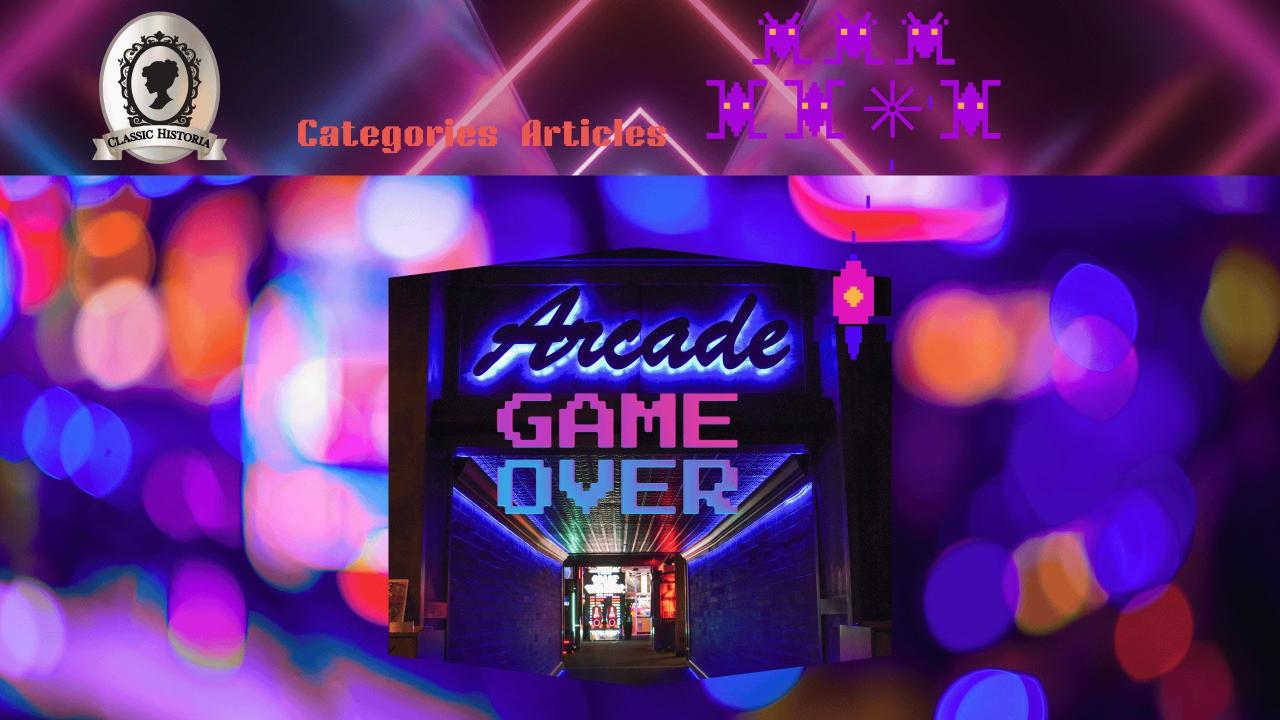
So, dear gamers, as we venture into the future of gaming, let’s not forget our roots. Let’s remember the joy of popping a quarter into a machine, of battling our friends for supremacy, and of those glorious high scores that made us feel invincible. The arcades may not be as prevalent today, but their spirit lives on in every gaming session, every friendly competition, and every time someone says, “Do you remember when?”

In the words of a wise old joystick—press start, and let the adventure continue!
User Queries
What are arcades and why are they important?
Arcades are entertainment venues filled with numerous coin-operated games, and they play a significant role in fostering community and social interaction among youth.
How did arcade games influence modern gaming?
Arcade games introduced innovative game design and mechanics that laid the foundation for the gaming experiences we enjoy today.
What types of games can you find in arcades?
You can find a mix of classic and modern games, from retro favorites like pinball and Pac-Man to cutting-edge VR experiences!
Why are retro arcades becoming popular again?
Retro arcades evoke nostalgia and offer a social gaming experience that many modern gamers crave, bridging the gap between generations.
How do arcades foster social connections?
Arcades serve as gathering spots where players compete, collaborate, and create lasting friendships, all while sharing the joy of gaming.