Why Retro Arcades Will Always Outlive Console Trends is a statement as bold as the neon lights flashing on a classic arcade cabinet! Picture this: a gang of kids huddled around a joystick, their laughter competing with the blips and bloops of pixelated battles. As consoles come and go like a fleeting hair trend, the nostalgic charm of retro arcades remains a timeless classic, drawing players in with the intoxicating combination of high scores and a hint of grease from the popcorn machine.
From the moment “Computer Space” blasted into existence in the early ’70s, arcade games have been on a wild ride, evolving into cultural phenomena that dominated the youth landscape of the ‘80s and ‘90s. With icons like “Pong” and “Pac-Man” taking center stage, these games transformed casual hangouts into thrilling competitions, setting the stage for a legacy that still captivates players today.
Ah, arcade games! Those magical portals to pixelated worlds where the only thing standing between you and glory is a joystick and an uncanny ability to dodge flying ninja stars. Remember when you could put a quarter in a machine and instantly feel like a pixelated hero? If you’re anything like me, your childhood was a fever dream of flashing lights, 8-bit sounds, and the sweet smell of stale popcorn mixed with just a hint of defeat. So, grab your best gamer snacks, and let’s dive into the pixelated past, present, and future of arcade games!
A Brief History of Arcade Games
To truly understand the cultural phenomenon that is arcade gaming, we must first hop into our time machines (or perhaps just a DeLorean, if you have one lying around) and zoom back to the 1970s. The dawn of arcade gaming kicked off with the iconic Computer Space in 1971, a game so complicated that it made rocket science seem like playing with Legos. Fast forward a few years, and we were graced with Pong, where players could engage in the riveting competition of pixelated table tennis. Who knew that the fate of mankind would rest on the bouncing of a square ball?
Then came the golden age of arcade gaming in the ‘80s—a decade so rad that even the music was synthesizing its way into our hearts. Pac-Man gobbled his way into our lives, followed closely by space invaders, and just when you thought you could escape from the maze, Donkey Kong hurled barrels at you like a disgruntled ex. These games weren’t just a way to pass the time; they became cultural icons, spawning merchandise, cartoons, and in some cases, entire empires. Who could forget that time Pac-Man tried to make a guest appearance in a breakfast cereal? (Spoiler: it didn’t go well.)
The Cultural Impact of Arcades
The cultural impact of arcade games stretches far beyond flashing lights and screaming children. Arcades became social hubs, places where friendships could blossom over a shared love of high scores and the occasional “friendly” competition. The advent of multiplayer games meant that rivalries could flourish, resulting in epic showdowns that would put even the fiercest of gladiators to shame. Who knew that a simple game of Street Fighter could lead to lifelong grudges and a Facebook group dedicated to “Slammin’ on Steve”?
Furthermore, arcade games paved the way for the evolution of home gaming consoles. Thanks to their popularity, companies like Atari and Nintendo took the plunge and brought the arcade experience into our living rooms—because who wouldn’t want to compete with their siblings over who could master Mario first? The arcade scene was a breeding ground for creativity, innovation, and some of the weirdest game concepts ever conceived. Frogger? A classic. Q*bert? An absolute legend! And don’t even get me started on Dig Dug. I still have nightmares about inflating those poor creatures with a pump!
The Secrets of Success in Arcade Gaming
Now, let’s dig into what made these arcade games so successful. First and foremost, simplicity is key. The best arcade games are easy to understand but devilishly hard to master. Think about it: anyone can pick up a joystick and start playing, but it takes real skill—and perhaps a touch of insanity—to reach that coveted high score. It’s that sweet spot of accessibility and challenge that keeps players coming back for more.
Next up is nostalgia. Let’s face it: people love to relive their childhoods. Nothing brings back those memories quite like stepping into an arcade filled with the sights and sounds of yesteryear. It’s like a time machine, minus the flux capacitor. Arcade games have become synonymous with retro gaming culture, appealing to both seasoned veterans and newcomers alike. They’ve even inspired modern indie developers to create games that mimic the classic style, proving that you can teach an old game new tricks.
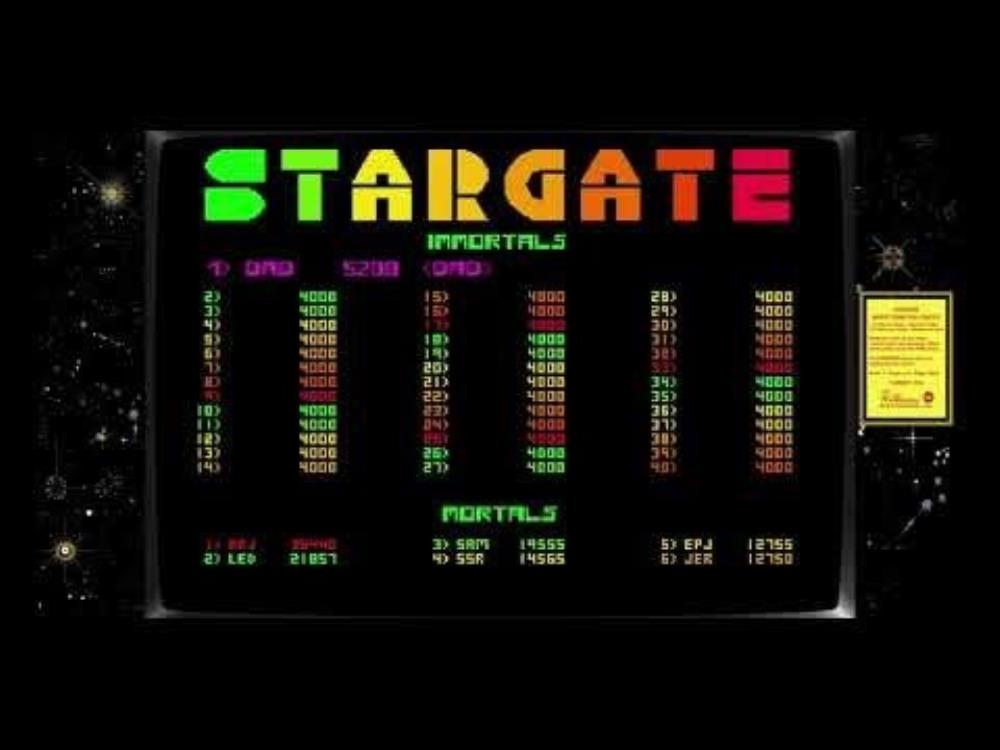
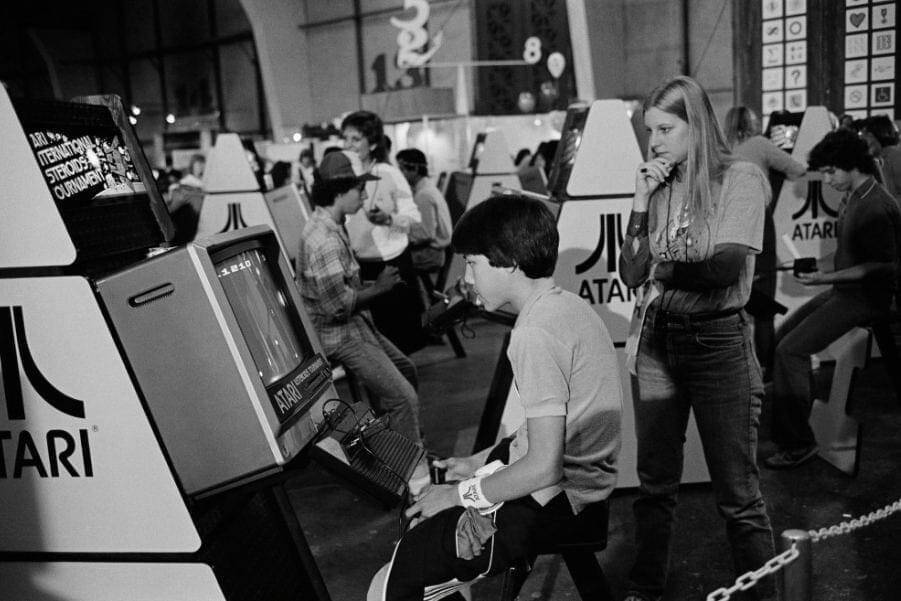
Finally, let’s talk about community. There’s nothing quite like the camaraderie of an arcade. Whether you’re bonding over a shared love of Galaga or arguing with a stranger over who had the highest score on Ms. Pac-Man, the social aspect of arcades is irreplaceable. Tournaments, high-score leaderboards, and even meetups create a sense of belonging that keeps players returning, armed with quarters and unyielding determination. Plus, where else can you yell “I’m the best!” at a bunch of strangers and not get weird looks?
Reflecting on the Arcade Experience
As we’ve journeyed through the world of arcade games, it’s clear that they are more than just pixels on a screen. They represent a unique blend of history, culture, and community that has shaped the gaming landscape as we know it today. However, the arcade isn’t just a relic of the past—it’s a living, breathing ecosystem that continues to evolve. With the rise of virtual reality and online gaming, arcade games are adapting, merging new technology with classic gameplay, and possibly haunting our dreams in the process.
So, whether you’re a seasoned gamer or someone who just wants to relive those arcade glory days, remember: the world of arcade games is waiting for you. Grab that joystick and prepare to unleash your inner champion, because in the end, life is just one big arcade game. And who doesn’t want to be the hero of their own story? Now, go forth and conquer those high scores, my friends! Just remember, if you can’t beat them, find a way to blame lag. It worked for me!
Because in the grand arcade of life, it’s not about how many quarters you have; it’s about how many epic tales you can tell from the battles you fought (and lost) along the way. Game on!
Popular Questions: Why Retro Arcades Will Always Outlive Console Trends
What makes arcade games so addictive?
Their simple mechanics and instant gratification coupled with the thrill of chasing high scores create an irresistible challenge!
Are arcade games still popular today?
Absolutely! Many folks still flock to arcades for a dose of nostalgia and social interaction.
How did arcade games influence modern gaming?
Iconic characters and engaging gameplay from arcade games paved the way for the immersive experiences we enjoy today.
Can I find arcade games at home?
Yes, many modern consoles and PCs offer classic arcade games, although nothing beats the original arcade experience!
Why do arcade games have such unique sound effects?
Those catchy sound effects and music were designed to enhance the gaming experience and keep players coming back for more!