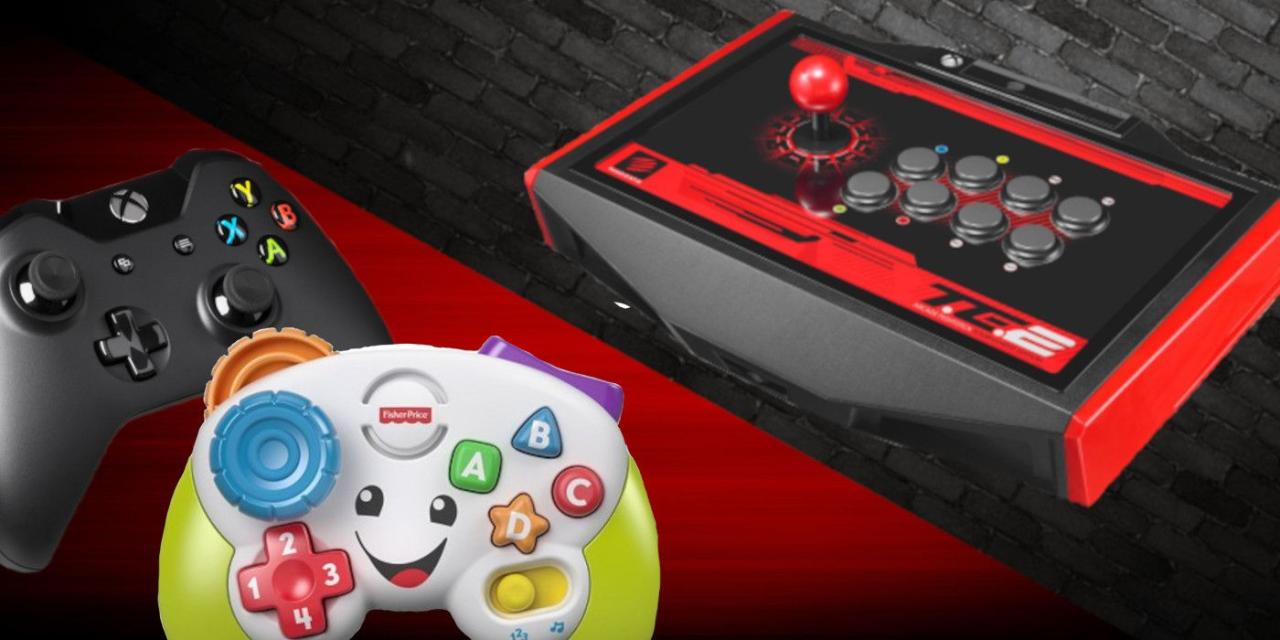
Why the Arcade Stick Still Rules Competitive Fighting Games may sound like an old-school battle cry, but don’t let its retro vibe fool you—this is where the magic happens! Imagine a world where the sweet sound of joystick clicks and button mashes filled smoky rooms, while players fought their pixelated battles for glory, snacks, and perhaps a tiny bit of self-respect. In this playful exploration, we’re diving into the delightful history of arcade games, their cultural significance, and why, despite the sleek allure of modern controllers, the arcade stick remains the undisputed heavyweight champion of competitive fighting games.
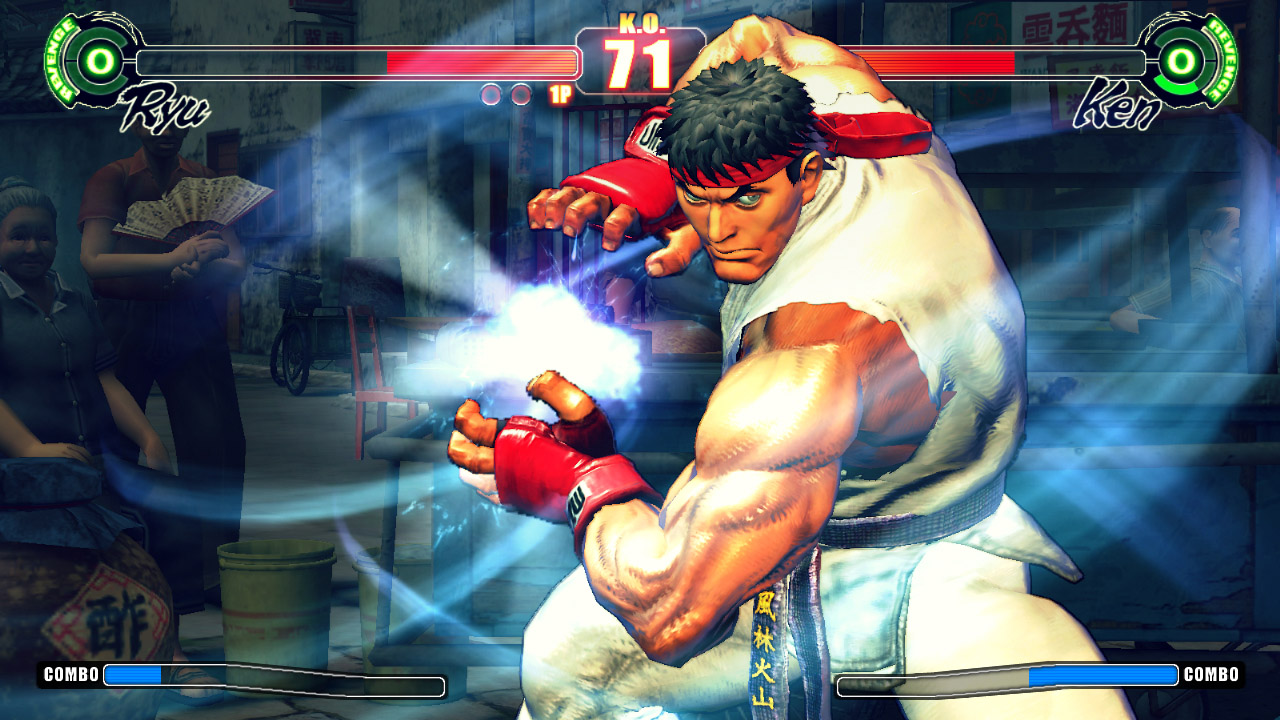
From the humbling origins of “Computer Space” in the 1970s to the adrenaline-pumping showdowns of “Street Fighter” and “Mortal Kombat,” arcade games have evolved into social phenomena, shaping communities and inspiring generations. With their simple yet addictive gameplay, they’ve created legends, rivalries, and high scores that keep players coming back for more. So, buckle up as we embark on a nostalgic journey through the pixels and parries that make the arcade stick a beloved icon!
Ah, the arcade! A magical land where time stands still, quarters vanish faster than you can say “Game Over,” and the smell of popcorn mingles with the sweet, sweet scent of nostalgia. Picture this: You, standing in front of a flickering cabinet, palm sweaty, heart racing, as you prepare to save the virtual world from pixelated doom. That’s right, folks—today, we’re diving into the delightful realm of arcade games, where every joystick twist and button smash has a story to tell.
A Pixelated History: From Pong to Power-Ups
Our journey begins in the ’70s, when arcade games were in their infancy, like toddlers attempting to walk but only managing to trip over their own pixels. The legendary “Pong,” released by Atari in 1972, was essentially a digital game of ping pong—because, let’s be honest, who doesn’t want to play a video game about two rectangles slapping a dot back and forth? It was a hit, proving that gaming could be fun, addictive, and a great way to ignore your social life.
Fast forward a few years, and we meet the king of the arcades: “Space Invaders.” This game taught us two essential life lessons: aliens are always the bad guys, and you should never underestimate the power of a single quarter. Soon after, titles like “Pac-Man” and “Donkey Kong” rolled in, proving that characters could be more than just pixels; they could be icons, legends, and—dare I say—dinner guests at your next party.
Cultural Impact: More Than Just Coin-Op Fun
Arcade games weren’t just a pastime; they were a cultural phenomenon. They gave birth to competitive gaming, social gatherings, and even the occasional fistfight over the last machine. Remember the thrill of a high score? It was like being crowned the king or queen of the universe, even if only for five minutes before some kid named Timmy swooped in to take your crown. But it wasn’t just about bragging rights; these games shaped a generation, influencing everything from music to fashion. Who can forget the Pac-Man fever that inspired clothing lines and even a hit song?!
As the years rolled on, arcades became social hubs where kids (and the young-at-heart) could bond over their love of pixelated adventures. These venues were more than just a place to play; they were ecosystems of competition and camaraderie, often filled with the sounds of laughter, shouts of victory, and, of course, the occasional grumpy parent wondering where their child had wandered off to.
The Secrets of Success: What Makes Arcades Tick?: Why The Arcade Stick Still Rules Competitive Fighting Games
So, what’s the secret sauce behind the success of arcade games? Let’s break it down, shall we? First off, simplicity rules. Most arcade games are easy to learn but hard to master—kind of like trying to fold a fitted sheet. This accessibility ensures that everyone, from toddlers to grannies, can join in on the fun. Who knew that dodging barrels or gobbling dots could unify people across generations?
Next up, the thrill of competition. Arcade games thrive on high scores and leaderboards, which tap into our primal instincts to be the best. It’s a rush! Just feel the adrenaline as you take that leap of faith, sending your character spiraling through a pixelated abyss—all while your friend watches and gasps in horror. The pressure makes it all worthwhile, and suddenly, you’re not just playing a game; you’re fighting for your place in history!
Lastly, let’s not forget the sheer joy of community. Arcades foster friendships and rivalries like no other. You bond over shared victories, swap strategies, and sometimes even plot your revenge against that one kid who always hogs the machine. And if you’re lucky, you might even find a gaming buddy for life—someone to share your joystick with and commiserate with when you inevitably lose your last quarter.
A Reflective Ending: What Lies Ahead?
As we stand at the precipice of the future, where VR headsets and online gaming reign supreme, one might wonder if arcades will become relics of a bygone era. But fear not! Like the trusty arcade cabinet that refuses to die, they’ve evolved. Modern arcades are blending classic games with cutting-edge technology, offering a boutique experience that includes everything from retro cabinets to immersive VR worlds. The spirit of arcade gaming is very much alive, thriving in a fresh, funky form.
In conclusion, arcade games are more than just charmingly retro relics—they’re a celebration of fun, community, and a love for pixelated adventure. So, the next time you find yourself in front of a neon-lit cabinet, remember: you’re not just playing a game; you’re part of a larger story, a legacy of laughter, competition, and camaraderie. And as you toss that quarter into the machine, just know that you’re taking a leap not only into a digital world but into the heart of gaming history.
Now, go forth, my fellow gamers! Level up, embrace the chaos, and remember: in the arcade of life, you always have a chance to press “start” again!
Popular Questions
Why are arcade sticks preferred for fighting games?
Arcade sticks offer precision and control that enables players to execute complex moves and combos more effectively than traditional controllers.
Are arcade sticks better for beginners?
While they may seem intimidating at first, many beginners find that the layout of arcade sticks helps with learning the fundamentals of fighting games.
Can I use an arcade stick on consoles?
Yes, most modern arcade sticks are compatible with various consoles and PCs, making them versatile tools for gamers.
Do professional players still use arcade sticks?
Absolutely! Many professional fighting game players swear by arcade sticks for their tournament play due to their reliability and precision.
How do I maintain my arcade stick?
Regularly clean the buttons and joystick, check for any loose connections, and consider replacing worn-out parts to keep your arcade stick in top shape.